MaRL launches Resilient Communities, Safer Futures in Techiman
November 15, 2026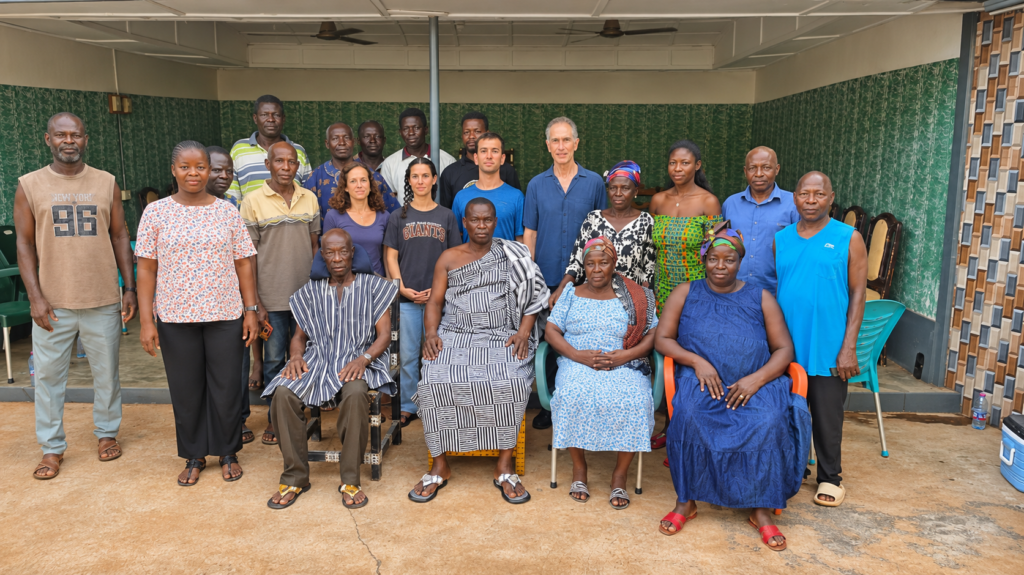
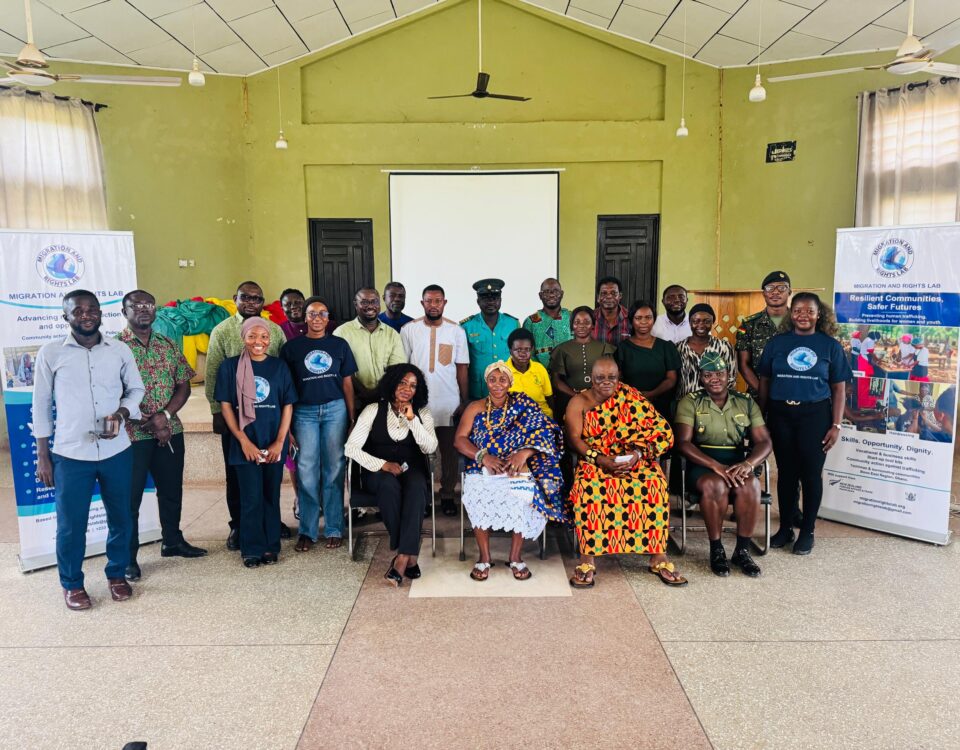
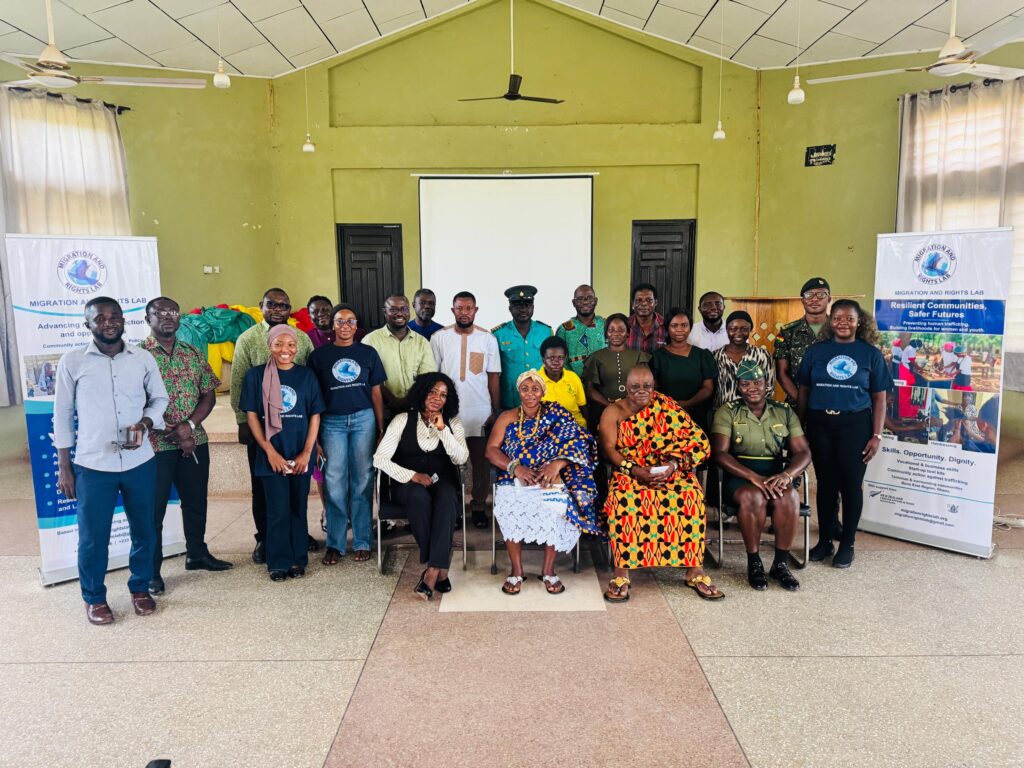
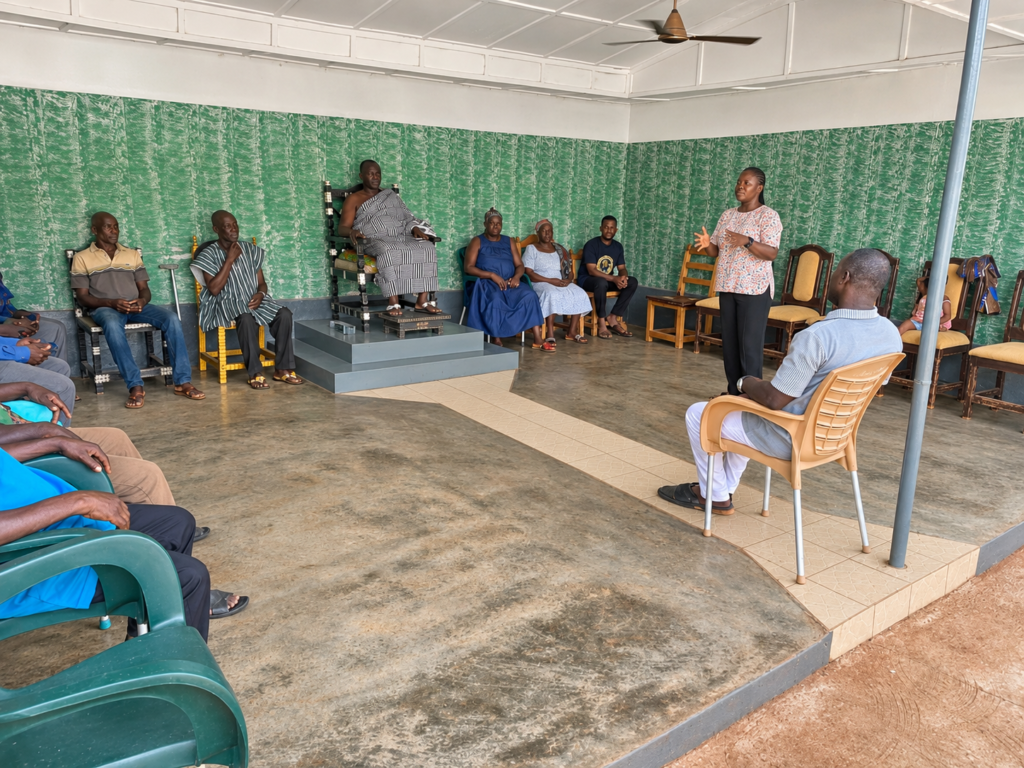
The Migration and Rights Lab (MaRL) held a community entry meeting in Agosa in the Bono East Region to formally introduce Resilient Communities, Safer Futures, a one-year project funded by the New Zealand High Commission. The meeting brought together the MaRL team, the Chief of Agosa, the sub-chief, queen mothers, unit committee members, and assembly members.
Community entry is the first activity in the project workplan, and for good reason. It is where the project asks for permission, explains itself openly and agrees with community leaders how the work will be done.
Why community entry comes first
Human trafficking and exploitative recruitment rarely happen in plain sight. Families under economic pressure may be approached by recruiters who promise work or schooling elsewhere. Children may be sent into fishing, domestic work or street trading. Those best placed to notice these risks early are the people who live alongside them every day.
Traditional authorities and elected local representatives occupy that position. Chiefs and queen mothers carry moral authority and convene the community. Unit committee and assembly members connect residents to local government. When these leaders understand and endorse a project, three things follow:
- Legitimacy. Community members are more willing to take part when their own leaders have introduced and endorsed the work.
- Access. Leaders can open doors to households and groups that an outside organisation would struggle to reach, including families who are most at risk.
- Continuity. Structures hosted and owned by the community, rather than by a project, are more likely to keep working once external funding ends.
Skipping this step tends to produce projects that communities tolerate but do not own. Investing in it at the start reduces resistance later, including from individuals who benefit from exploitative recruitment.
What we discussed
The role of community leadership. Leaders were asked to host and oversee the community anti-trafficking committees, lend their voice to awareness activities and help ensure that suspected cases are referred to the right authorities. The team was clear that committees exist to identify and refer, not to take enforcement action. Enforcement remains with the Ghana Police Service.
Areas of collaboration. MaRL and community members discussed how they will work together across the project cycle: nominating committee members through a transparent and inclusive process, agreeing fair criteria for selecting trainees, mobilising residents for awareness events, handling sensitive information confidentially and giving regular feedback on how the project is going.
What the leadership committed to
The Chief and elders formally endorsed the project. The leadership also committed to:
- nominating members for the community anti-trafficking committee; and
- mobilising community members for awareness activities and for the selection of project beneficiaries.
These commitments give the project a firm footing in Agosa from its first weeks.
About the project
Resilient Communities, Safer Futures: Community Action against Human Trafficking and Livelihood Support for At-Risk Women and Youth in Techiman, Bono East Region. The project is implemented by the Migration and Rights Lab with funding from the New Zealand High Commission. MaRL is a Ghanaian policy think tank and development organization working on labor migration, anti-trafficking, return and reintegration, and community-led development across Ghana and West Africa.